


KOFORIDUA DIOCESAN PRIESTS REFLECT ON LITURGICAL DISCIPLINE AND ARTIFICIAL INTELLIGENCE IN PASTORAL MINISTRY
INTRODUCTION
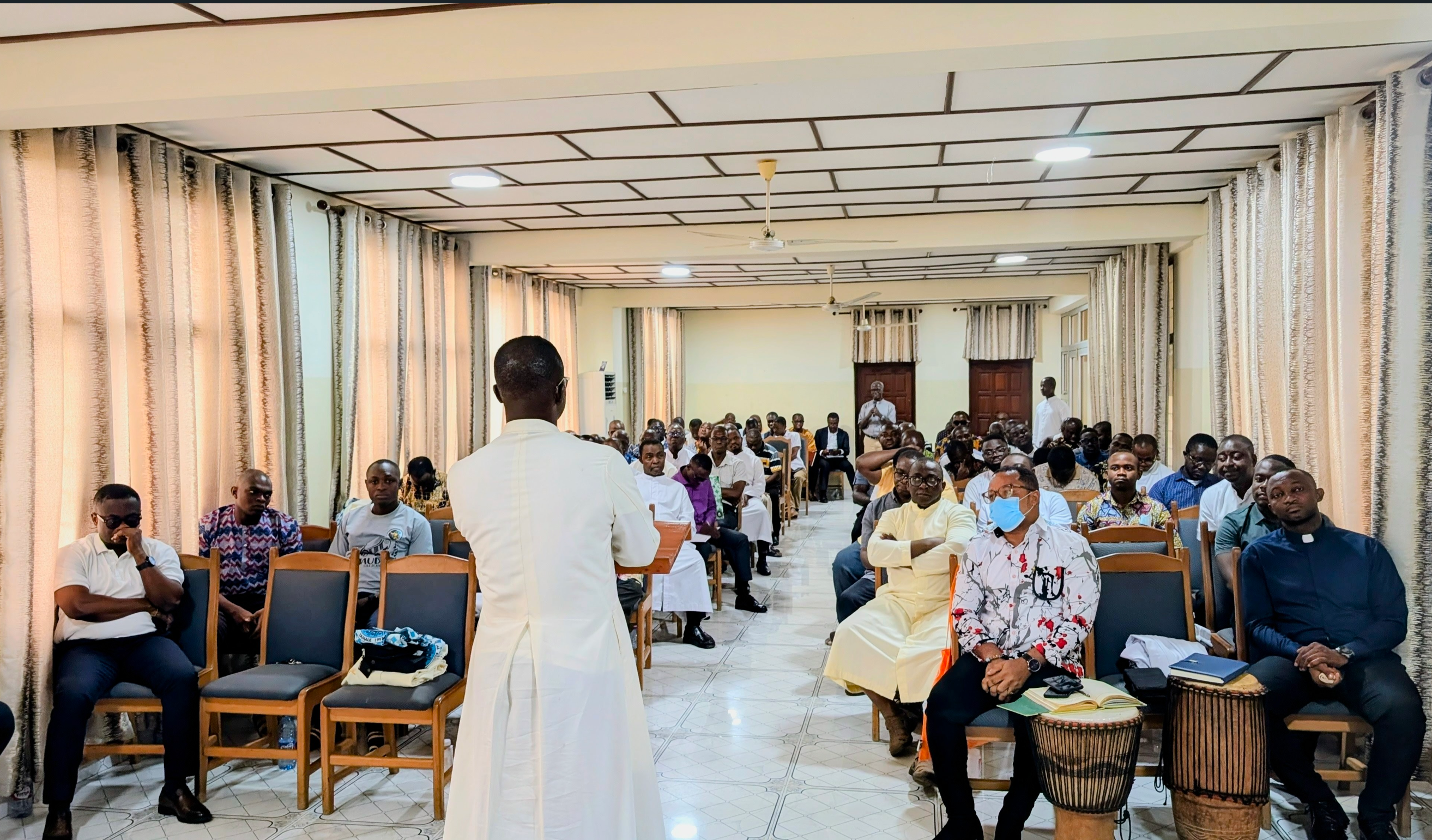
The Koforidua Diocesan Priests’ Association held its ongoing formation programme from Monday, 2nd to Wednesday, 4th February 2026, bringing together priests of the Diocese for theological reflection, pastoral renewal, and fraternal encounter. The formation was centred on the timely theme: “Liturgical Discipline and the Effective Use of Artificial Intelligence (AI) in Pastoral Ministry.
The resource person for the programme was Rev. Fr. Dr. Bernard Bosiako of the Konongo-Mampong Diocese, who holds a Doctorate in Sacred Liturgy. Over four structured sessions, he guided participants through a rich and balanced exploration of two realities shaping priestly ministry today: fidelity to the Sacred Liturgy and responsible engagement with emerging technologies.
- REAFFIRMING THE PRIMACY OF THE LITURGY
In his introductory presentation, Fr. Bosiako emphasised that the Sacred Liturgy remains the “source and summit” of the Church’s life, echoing the teaching of the Second Vatican Council. He reminded the priests that liturgical discipline is not a matter of rigidity or mere rubrics, but an expression of ecclesial communion and pastoral charity.
The sessions underscored that the liturgy does not belong to the individual celebrant but to Christ and His Church. Fidelity to approved texts and liturgical norms safeguards unity, preserves theological integrity, and protects the faithful from confusion. Proper celebration of the liturgy, he noted, forms the faith of the people more effectively than creativity detached from tradition.
Participants reflected deeply on the importance of ars celebrandi — the art of celebrating the liturgy with reverence, theological awareness, and interior devotion. The formation served as a reminder that pastoral effectiveness flows first from fidelity at the altar. - PRIESTLY IDENTITY IN A DIGITAL CULTURE
The second major focus of the programme addressed the priest’s identity in an increasingly digital world. Drawing from Church documents such as Presbyterorum Ordinis and the Catechism of the Catholic Church, the facilitator stressed that the priest is ontologically configured to Christ and acts in persona Christi Capitis, particularly in the sacraments.
In a world shaped by social media, instant communication, and online religious content, priests were encouraged to ensure that their digital engagement reflects their sacramental identity. While digital tools provide opportunities for evangelisation and catechesis, they must never replace personal pastoral presence or sacramental encounter.
The concept of “digital asceticism” was introduced as a necessary discipline for modern priests — encouraging moderation, discernment, and intentional use of technology to safeguard interior life and pastoral focus. - ARTIFICIAL INTELLIGENCE: OPPORTUNITIES AND ETHICAL LIMITS
A significant portion of the formation addressed the rise of Artificial Intelligence (AI) and its growing influence in society and the Church. Referencing recent Vatican reflections, including Antiqua et Nova (2025) and the Rome Call for AI Ethics, the facilitator clarified the Church’s position on AI.
Artificial Intelligence, he explained, is a product of human intelligence. It can analyse data, generate text, and assist with organisation, but it does not possess consciousness, moral responsibility, or spiritual capacity. Therefore, it must always remain a tool under human and ecclesial oversight.
The priests discussed legitimate uses of AI in pastoral ministry, such as assisting with parish administration, preparing educational materials, organising schedules, and supporting research for preaching and catechesis. When used prudently, these tools can free priests to devote more time to prayer, sacramental ministry, and personal accompaniment.
At the same time, clear boundaries were emphasised. AI cannot administer sacraments, provide spiritual direction, exercise moral judgment, or replace pastoral accompaniment. Sacramental and moral responsibility always rests with the ordained minister. - INTEGRATING TECHNOLOGY WITHOUT COMPROMISING THE SACRED
In the concluding sessions, practical guidelines were offered for integrating AI responsibly into parish life while safeguarding liturgical discipline. The formation highlighted a clear hierarchy: the liturgy remains primary, pastoral charity flows from sacramental life, and technology serves as an instrument.
Participants were reminded that the Church does not reject technology; rather, she seeks to evangelise and guide its use in light of the Gospel. The challenge for priests today is not whether to engage technology, but how to do so faithfully, ethically, and pastorally.
CONCLUSION
The Diocese expresses its sincere gratitude to Rev. Fr. Dr. Bernard Bosiako for his scholarly depth, pastoral clarity, and prophetic guidance throughout the formation process. His reflections provided both theological grounding and practical direction for priestly ministry in a rapidly changing digital age.
As the Church continues to navigate new technological frontiers, the priests of Koforidua Diocese remain committed to safeguarding the sacred mysteries and proclaiming Christ with wisdom, fidelity, and pastoral charity.


